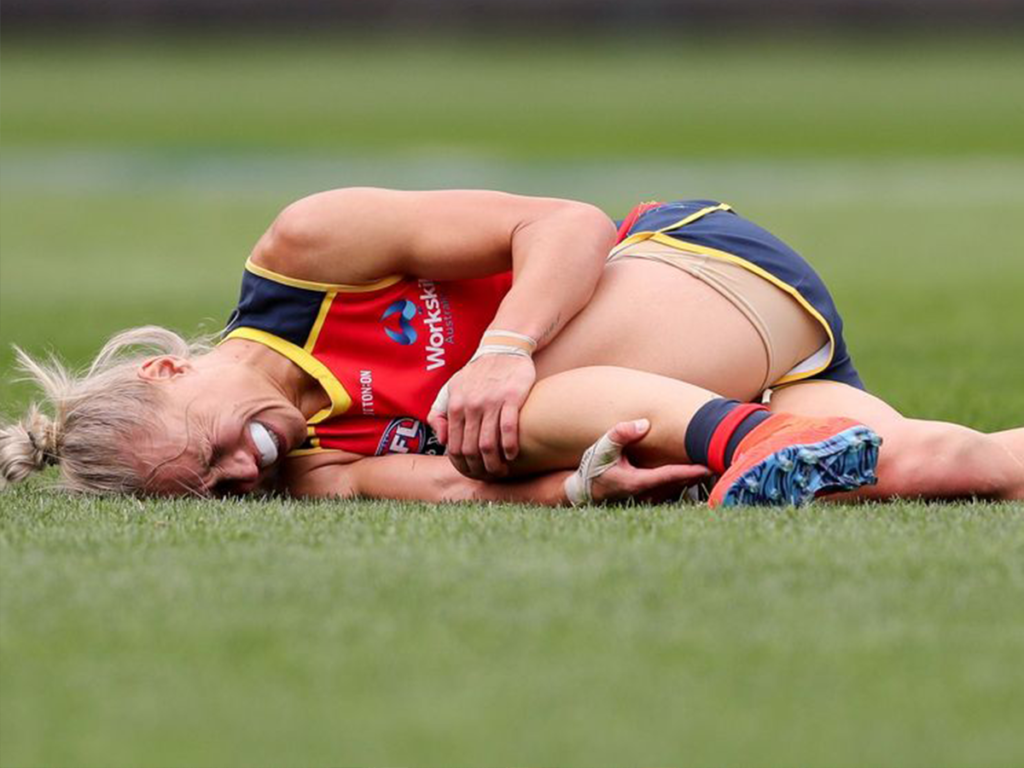
Pain is both sign and signal, often tangled with concern, assumption, culture, and prior experience. Treating it well is a core clinical responsibility, yet criteria vary widely throughout setups. An organized pain management courses for nurses pain management certificate can bring coherence and self-confidence to exercise, particularly for medical professionals who want to hone assessment, tighten up suggesting habits, and browse the lawful surface without sacrificing compassion. This overview takes a useful take a look at what solid pain administration courses deliver, how systems like PUAEME008 Offer Pain Monitoring fit in, and the ethical and regulatory guardrails that form day‑to‑day decisions.
The worth of formal training in pain care
Most medical professionals learn pain care bit-by-bit. A teacher's technique here, a formulary change there. That jumble suffices for routine situations, but it drops brief in the emergency situation bay, a complex post‑op ward, or a neighborhood setting where chronic discomfort, mental health and wellness, and social stress factors collide. A discomfort monitoring qualification fills those voids with intentional technique. It develops an usual language throughout techniques, so nurses, physiotherapists, paramedics, and doctors work from the same playbook throughout the messy, real‑time cadence of clinical work.
The straight benefits turn up promptly. Assessment ends up being extra accurate and quicker, which means earlier relief and fewer repeat doses. Documents improves, shielding both the medical professional and the client. Multimodal methods, as soon as seen as certificate course in pain management exam principles, come to be muscular tissue memory. The much less obvious success are social. Groups begin speaking about feature, not simply scores. Clients feel believed, which is half the fight in chronic pain clinics and commonly the whole fight for those with trauma histories.
Mapping the landscape: from short programs to full certification
Pain education extends a range. Short programs hurting management offer targeted refreshers that fit a weekend lineup. A certification program hurting management stretches further, commonly throughout a number of weeks or months, with supervised method and proficiency checks. Full pain monitoring accreditation programs bring considerable assessment and may align with nationwide standards or specialty colleges.
The best option depends on function and context. A rural registered nurse that on a regular basis triages after‑hours injuries will likely gain from an emergency pain administration emphasis, where rapid assessment, safe procedural analgesia, and escalation protocols are main. A physiotherapist dealing with post‑operative patients requires depth in movement‑based strategies, rated direct exposure, and nonpharmacological discomfort modulation. A paramedic or very first -responder in Australia might seek PUAEME008 Provide Pain Management to formalize laughing gas or methoxyflurane management in prehospital care, alongside observation and documents standards.
Strong programs merge these hairs. They blend pharmacology with functional rehabilitation principles, interaction skills with medicolegal literacy, and electronic documentation with quality improvement.
What PUAEME008 Provide Pain Monitoring adds
PUAEME008 Supply Discomfort Administration is a device extensively utilized in the emergency and prehospital environment. While the knowing outcomes vary by training supplier, the core emphasis corresponds: identify pain swiftly, offer risk-free first analgesia utilizing accepted agents, display reaction, and hand over precisely. It rests well inside a wider discomfort administration course, providing medical professionals a concrete toolkit for the very first minutes of care.
Clinically, the device concentrates on risk-free signs, contraindications, application, tracking, and side effect management for short‑acting representatives that make sense in the area. Similarly vital, it educates judgment under stress. If an individual's discomfort spikes after first application, do you redose, switch over courses, or rise to innovative care? Those choices hinge on air passage danger, hemodynamics, system of injury, and transport time. Great trainers replicate those stress and require clean documents that will certainly stand in audit or coronial review.
Legally, PUAEME008 strengthens that analgesia is never a standalone act. It rests inside responsibility of care, extent of practice, and local consents. If your company's professional technique guidelines restrict methoxyflurane to adults without renal disability, the certificate is not a certificate to improvise. The system educates you to operate inside those limits while supporting for prompt escalation when pain exceeds your authorized toolkit.
Clinical expertises that matter every shift
A certification course hurting monitoring must leave you fluent in 4 domain names: assessment, pharmacology, nonpharmacological techniques, and communication. The information vary between pain management courses for nurses and pain management training courses for physiotherapists, but the core stays aligned.
Assessment goes beyond ranking ranges. Ratings like NRS or VAS give a picture, yet they miss out on pain top quality, trajectory, and practical impact. A fast, structured background makes a difference. Ask what the pain quits the individual from doing and what altered it in the past. Individuals connect in the language of feature. A carpenter that can not hold for five minutes requires a plan extremely various from a computer developer with periodic pelvic discomfort. In pediatrics, observational scales exceed self‑report when language fails, and in older grownups with cognitive disability, collateral info and actions hints matter greater than the numbers in the chart.
Pharmacology begins with the right drug for the best pain. Not all pain is nociceptive. Neuropathic pain rarely accepts conventional opioid procedures, so first‑line alternatives frequently include gabapentinoids or tricyclic antidepressants, with topical representatives for focal signs and symptoms. In intense nociceptive pain, utilize the ladder judiciously, yet do not climb it blindly. Nonsteroidals aid crack discomfort and kidney colic, yet they bring renal and bleeding dangers. Paracetamol stays a fundamental agent when utilized properly and on schedule. Opioids belong in the toolkit, especially for serious sharp pain, but dosing must be lined up with patient physiology and tempered by clear quit rules.
Nonpharmacological approaches are not garnish. Ice, altitude, and immobilization can cut analgesic need by a third in limb injuries. In step-by-step setups, laughing gas, anesthetic blocks, and distraction can change the experience. Chronic pain take advantage of graded activity, sleep hygiene, and cognitive methods that lower catastrophizing. Physiotherapists lead right here, yet nurses enhance it at every bedside handover.

Communication may be the strongest analgesic. Clients do far better when they understand what to anticipate, and teams perform better when handovers specify and brief. "Left distal span crack, pain 8 to 5 with 1 g paracetamol and 400 mg advil, no opioid yet, pain spikes with pronation, splinted, capillary refill under two secs, waiting on imaging" offers the inbound medical professional a map and aids stay clear of double dosing.
The legal framework: extent, authority, and accountability
Clinicians wish to ease discomfort, and regulatory authorities want to avoid injury. That stress just comes to be a problem when training stops working to attach the two. A pain administration certificate worth your time makes clear how to provide compassionate care without drifting outdoors your license or regional rules.
Scope of practice rests at the core. You work within your enrollment, work environment plans, and scientific practice guidelines. Also when a pain management training program shows sophisticated alternatives, you still need the business permission to utilize them. For nurses, standing orders might permit independent management of picked anesthetics under established parameters. For paramedics, drug permissions connect to level of technique and jurisdiction. For physio therapists, analgesia typically indicates nonpharmacological approaches, intermediary with prescribers, and adherence to local procedures for modalities like TENS or completely dry needling. Breaching scope, even for a supportive reason, undermines both individual safety and your legal position.
Consent and documents shield the client and the clinician. In emergencies, suggested approval applies when the patient does not have capability and delay risks harm. Or else, get educated consent symmetrical to the decision. Document the discussion, the choices discussed, and the plan. Good records need to be legible, coeval, and certain. A common medicolegal challenge is recording a discomfort rating without noting the reassessment after treatment. Auditors try to find the arc: baseline, intervention, response, and plan.
Controlled compounds bring additional commitments. Storage space, gain access to logs, wastage recording, and periodic settlement keep teams secure. If your duty includes recommending or carrying out opioids, you need to know regional scheduling, display for advancing dosing, and inspect prescription tracking systems where available. For persistent opioid treatment, strong programs instruct exactly how to use agreements, routine pee medicine displays, and taper plans without transforming the center right into a courtroom.
Adverse occasions take place despite best method. Have a rise path for oversedation, allergies, and unanticipated wear and tear. Debrief, report appropriately, and make use of the event to tune protocols. Regulatory authorities look positively on groups that learn and adjust.
The framework of durable pain monitoring training
Over the years showing pain administration training for nurses and mentoring physiotherapists brand-new to post‑op wards, I have actually seen the same pattern. The very best discomfort management training courses integrate calculated practice and comments loopholes. Reading methods helps, yet it takes simulation and supervised medical job to make them reputable under pressure.
Expect combined approaches. Short online components can deliver pharmacology and regulation. Case‑based workshops construct professional judgment. Simulation grows team effort for emergency discomfort administration circumstances, where seconds issue and duties have to be clear. Bedside training embeds the habits that stick: timely reassessment, acceleration when needed, and calm handovers.
Assessment must be more than a multiple‑choice exam. Abilities stations, scenario‑based analysis, and graph audits examination whether a clinician can use expertise with real restrictions. A pain management certificate course that authorizes off proficiencies without observed practice may be convenient, yet it will not move outcomes on the ward.
Good programs also instruct deimplementation, which is the art of stopping what does not function. That might suggest decreasing default opioid quantities on discharge, eliminating duplicate PRNs, or retiring out-of-date pain ladders that neglect neuropathic patterns. The certificate is not simply a thumbs-up to do more. In some cases it is a red pen that streamlines the chart and secures the patient.
Emergency discomfort management: rate, security, and systems
The emergency situation area is unrelenting. People remember their worst discomfort in secs, not hours. Protocolized treatment makes its keep right here. Quick triage, early analgesia, and clear reassessment cycles conserve time and count on. An individual with a lengthy bone crack that gets targeted analgesia within 15 mins is easier to position for imaging, much easier to splint, and noticeably less likely to need several opioid doses later.
Agents vary by setting. In prehospital treatment, breathed in analgesia can buy time, particularly for patients with hard access or throughout extrication. Intranasal fentanyl, correctly dosed and kept track of, offers trustworthy alleviation without a cannula. In the emergency division, nerve blocks are underused workhorses. A femoral nerve block for a hip crack shortens lengths of stay and decreases opioid requirements, however just if the division trains and supports the skill. An excellent discomfort management program demonstrates how to develop these pathways, including credentialing, checklists, and post‑procedure monitoring.
The system matters as high as the medicine. Supply availability, resuscitation equipment available, observation periods, and rise requirements become part of analgesia, not separate. On a busy shift, a laminated checklist at the bedside beats a 50‑page standard in the intranet.
Chronic and intricate pain: function over fixation
Acute pain usually resolves with time and tissue healing. Persistent discomfort rewires expectations and activity patterns. Qualification programs that disregard the biopsychosocial version do their learners an injustice. Patients require a strategy that mixes pacing, purposeful goals, and gradual direct exposure. Education reframes discomfort as an overprotective alarm as opposed to an evidence of injury. Quantifiable wins arise from function: walking 50 meters farther, sitting through a household meal, sleeping an added hour without interruption.
Clinicians require fluency in tapering discussions. Several acquire people above opioid dosages with restricted advantage. Safe tapering takes months, not days. It sets dosage decreases with enhanced nonpharmacological assistance and honest discuss short-term pain. It additionally requires a safety net for state of mind adjustments and sleep interruption. Programs that show these abilities minimize issues, enhance person complete satisfaction, and cut threats without abandoning anybody to suffer.
What to seek when selecting a pain management course
Not every program delivers the very same worth. Clinicians need to ask for openness on finding out results, analysis methods, and instructor experience. Pain monitoring training courses led by medical professionals that still practice often tend to face actual restraints like staffing, formularies, and paperwork systems. Look for local positioning, considering that recommending rules, medication schedules, and method authority vary.
Interdisciplinary training teams shine. When nurses, physio therapists, pharmacologists, and physicians teach together, students internalize collaboration. Instance conversations really feel genuine, since the pharmacologist flags communications, the physio therapist reframes goals, and the registered nurse explains exactly how to make the plan work with a congested shift.
Remote understanding fits, particularly for rural medical professionals, however see to it practical components are not hollow. Recorded presentations aid, yet you still require hands‑on analysis for blocks, gadget usage, or resuscitation‑adjacent skills. If a carrier asserts to "offer pain management training course" web content that certifies you for particular consents, request for written verification of recognition by companies or regulators.
Documentation that safeguards treatment and boosts it
Documentation is not busywork. Done well, it improves care in actual time. The best discomfort monitoring certification training course will certainly pierce an easy structure: baseline analysis with discomfort kind and function, clear rationale for picked treatment, timing and dose, feedback at a specified interval, and the next action if alleviation continues to be insufficient. That pattern stops drift. It additionally makes change handovers limited and defensible.
Electronic documents can assist or hinder. Smart sets that push multimodal orders improve care. Templates that hide review areas invite missed chances. Clinicians can support for far better process with tiny, intentional changes. For example, if the discomfort rating area prompts again at 30 minutes after a PRN opioid, review comes to be the norm rather than the exception.
Common mistakes and exactly how to prevent them
Newly trained clinicians often attempt to take care of whatever with the tools they just found out. Hurting care, restriction is as essential as activity. Overtreating step-by-step discomfort that settles with positioning cause sedation without advantage. Conversely, undertreating severe discomfort while waiting for imaging can worsen results and boost anxiety or ecstasy. The reasoning lies in context and review.
Another trap is overlooking differential diagnosis when the discomfort pattern changes. A patient on postoperative day 2 with brand-new breast or calf discomfort requires workup, not only analgesia. Certifications should educate red flags along with alleviation. The objective is not the most affordable pain score at all costs, however the safest course to recovery and function.
Finally, do not underestimate culture. If an unit sees discomfort reassessment as paperwork instead of treatment, also the very best educated clinician will struggle. Champions aid. A few individuals modeling tight practice can move standards within weeks, particularly when the data reveal fewer callbacks, less overnight rises, and happier patients.
How training differs by technique and setting
Pain administration training for nurses concentrates on triage, safe administration, and acceleration. Registered nurses lug the rhythm of review, and their paperwork develops the backbone of medicolegal security. They additionally rest closest to the client's story, which makes their campaigning for central to customized plans.
Pain management training courses for physio therapists highlight rated activity, desensitization, load management, and the language of peace of mind. They navigate anxiety avoidance and straighten workout with analgesic home windows. When they collaborate with prescribers, the timing of analgesia can change end results. Doing the hardest workouts when the analgesic is coming to a head is common feeling that often obtains shed without coordination.

Paramedics and initial -responders using PUAEME008 offer discomfort monitoring learn to provide quickly, risk-free relief in tough environments. They build practices around scene safety, airway caution, and exact handovers that secure downstream treatment. Their notes regarding system and immediate feedback frequently direct ED decisions greater than lab results do.
Prescribers dive deeper into medication option, kidney and hepatic application, and deprescribing strategies. Pharmacists, whether training or consulting, catch communications and support multimodal preparation. When the team functions as a whole, each role magnifies the others.
Building a resilient method after certification
The certificate is a beginning line, not the finish. Clinicians should secure their discovering in 3 behaviors: intentional review, information responses, and peer conversation. Choose a reoccuring time, perhaps monthly, to assess 2 or 3 charts with complex discomfort courses. Look for delays, missed out on reassessments, or avoidable accelerations. Measure something easy, like time to initial analgesia in triage or percentage of post‑opioid reassessments recorded within 45 mins. Then share results, not responsible, yet to learn.
Mentorship increases development. A younger clinician who can speak with a tough case with an elderly colleague will certainly stay clear of many pitfalls. Short debriefs after significant cases aid the entire team. What functioned, what missed out on, what to alter. The tempo matters more than the length.
Finally, keep humbleness. Discomfort treatment is untidy since people are differed. 2 patients with the very same fracture can respond differently for factors you can not see. A stiff algorithm will fail. A thoughtful structure, strong abilities, and clear documents will certainly not.
A focused list for choosing a reliable program
- Clear mapping to your scope and local permissions, consisting of any recognition of PUAEME008 Provide Discomfort Management if pertinent to your role Demonstrated faculty experience, preferably multidisciplinary and currently practicing Practical evaluation beyond tests, with observed skills and scenario‑based evaluation Integration of legal and honest content, including documents standards and abused substance regulations Support for implementation, such as design templates, lists, or audit tools you can reclaim to your workplace
The reward: more secure care, better end results, fewer disputes
A durable discomfort management certification does more than add a line to a CURRICULUM VITAE. It shortens the distance in between a person requesting for assistance and a medical professional delivering relief. It brings discipline to disorderly setups and language to complicated consultations. It decreases medicolegal risk by lining up actions with extent and tape-recording them well. It also restores a sense of purpose. Few things feel much better on a shift than seeing a person that got here light and supporting their arm lastly unwind their shoulders and breathe.
For organizations, the return shows in shorter remains for regular injuries, less unplanned returns, and less issues regarding unmanaged pain. For clinicians, self-confidence grows, and the edge in between empathy and exhaustion softens. That equilibrium is the genuine certification, the one that matters after the classroom lights switch over off.
If your technique touches pain most days, whether in triage, rehab, the rescue bay, or a country center, the time invested in a structured pain administration course will repay quickly. Select a program that values clinical facts, educates skills you can make use of tomorrow, and deals with lawful factors to consider as component of compassionate care, not obstacles to it.